
Introduction
Many Australians struggle with sleep without fully understanding why. Persistent fatigue, snoring, or difficulty staying asleep can signal an underlying sleep disorder. A sleep test offers clarity, providing detailed insights into your sleep patterns and helping guide effective treatment. Modern sleep testing technology has made the process more comfortable, accurate, and accessible, making it a key tool for improving sleep quality and overall wellbeing.
What is a Sleep Test?
A sleep test, also called a sleep study, monitors your body’s physiological activity while you sleep. It helps diagnose sleep disorders such as:
- Obstructive sleep apnoea
- Insomnia
- Narcolepsy
- Restless leg syndrome
Typical measurements include brain activity (EEG), eye movements, heart rate, breathing patterns, oxygen levels, and muscle activity. These tests allow specialists to identify disruptions in sleep cycles and recommend personalised treatment.
Preparing for Your First Sleep Study
Preparation can improve both comfort and accuracy:
- Maintain a regular sleep schedule for several days before the test
- Avoid caffeine, alcohol, and sedatives on the day of the study
- Bring personal comfort items, such as pillows or blankets
- Wear loose, comfortable clothing
- Follow your doctor’s instructions regarding medications
Being prepared can help reduce anxiety and make your first sleep study a smoother experience.
In-Lab vs Home Sleep Studies
In-Lab Sleep Studies (Polysomnography)
- Conducted overnight in a sleep clinic
- Monitored by trained technicians
- Measures multiple parameters simultaneously for comprehensive results
- Ideal for complex or uncertain diagnoses
Home Sleep Tests
- Conducted in the comfort of your own bed
- Focus on breathing, oxygen saturation, and heart rate
- Less invasive and convenient
- Suitable for patients suspected of having sleep apnoea
Both types are reliable, with the choice depending on your symptoms and the recommendation of your sleep specialist.
What to Expect During the Night
In-Lab Study
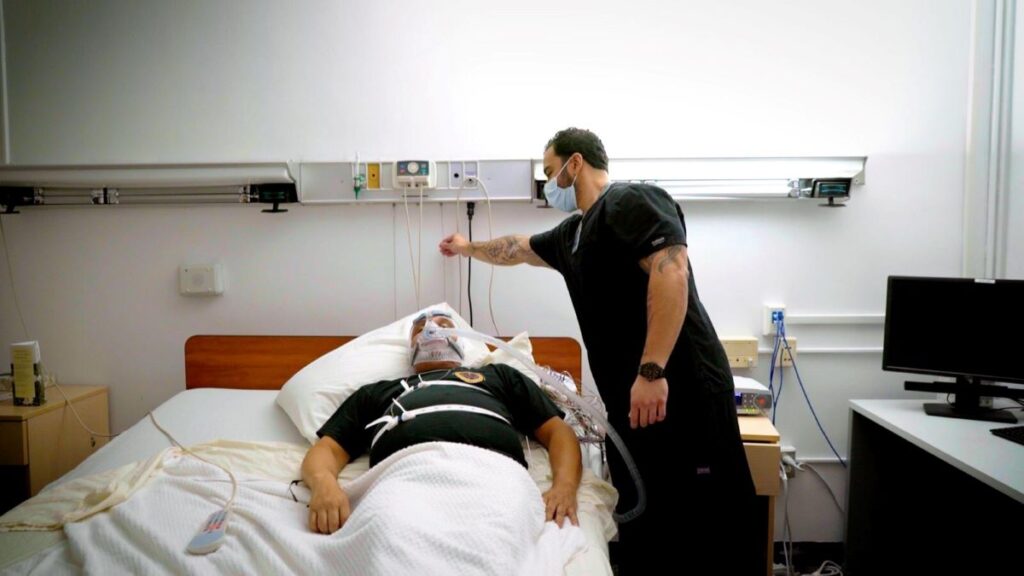
- Sensors and electrodes are attached to monitor brain waves, heart rate, and muscle activity
- Nasal cannula and finger sensor track breathing and oxygen levels
- Sleep technicians supervise the process and assist with any discomfort
Home Study
- Simple, wearable devices monitor key sleep parameters
- Conducted in your usual sleep environment for a more natural night’s rest
- Instructions and guidance are provided by your clinic
Despite the monitoring equipment, most patients sleep adequately, and any initial discomfort is usually minor.
How Sleep Test Results Are Used
Once the study is complete, a sleep specialist analyses the data to:
- Diagnose specific sleep disorders
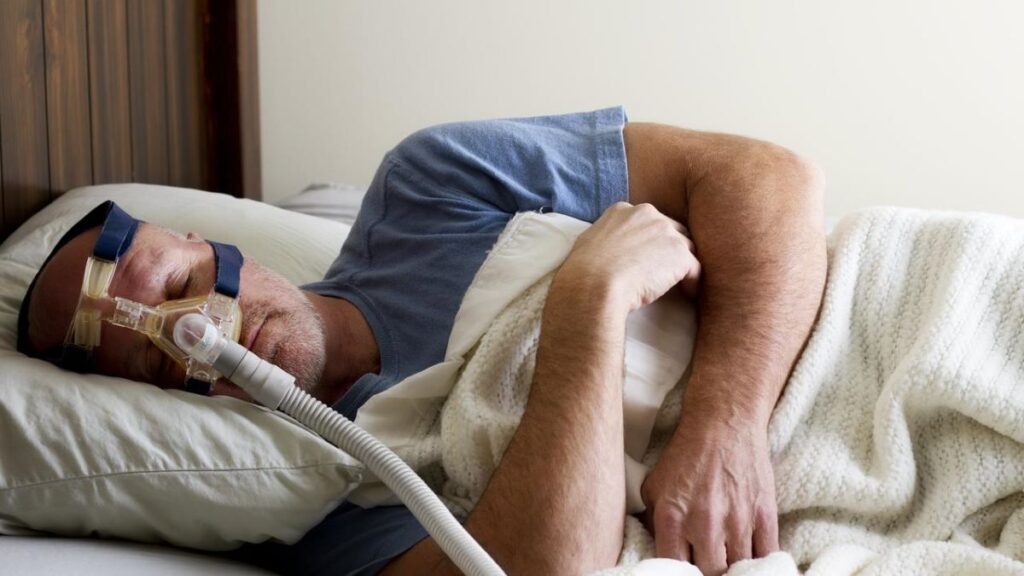
- Recommend treatment plans, such as CPAP therapy, lifestyle adjustments, or medications
- Track effectiveness of ongoing therapies
Accurate diagnosis can significantly improve sleep quality, daytime alertness, and overall health.
Benefits and Potential Discomforts
Benefits
- Personalised treatment for sleep disorders
- Improved sleep quality and daytime energy
- Reduced risk of health complications like high blood pressure and heart disease
- Peace of mind from understanding your sleep patterns
Potential Discomforts
- Mild skin irritation from electrodes
- Minor nasal discomfort from breathing sensors
- Slight sleep disruption due to monitoring equipment
Advancements in technology have made modern sleep tests more comfortable, accurate, and less intrusive than older methods.
Patient Experiences
First-time patients often report relief and improved understanding of their sleep issues:
- “The sensors were less bothersome than I expected.”
- “Sleeping at home with a monitoring device was surprisingly easy.”
- “My sleep study helped my doctor create a plan that finally addressed my daytime fatigue.”
Hearing from other patients can reduce anxiety and highlight the benefits of undergoing a sleep study.
Conclusion
A sleep test could be the key to better rest and improved overall health. Whether conducted in a lab or at home, modern sleep studies are accurate, comfortable, and informative. Understanding what to expect, preparing properly, and knowing the benefits can make your first sleep test a reassuring and life-improving experience.
FAQs
1. Will a sleep test be uncomfortable?
Most patients experience only minor discomfort from sensors or nasal cannulas. Modern equipment is designed to be minimally intrusive, and sleep technicians provide support throughout the night. Most people are able to sleep adequately despite the monitoring devices.
2. How should I prepare for a sleep study?
Maintain a regular sleep schedule, avoid caffeine and alcohol on the day of the test, wear comfortable clothing, and bring personal comfort items. Following your doctor’s instructions ensures accurate results and a smoother experience.
3. How long does it take to get sleep test results?
Results are typically analysed within a few days to a week. You’ll receive a detailed report explaining sleep patterns, any detected disorders, and recommended treatment plans to improve sleep quality and overall health.
4. Can a sleep study improve daytime fatigue?
Yes. Sleep tests identify underlying disorders such as sleep apnoea or insomnia, allowing for personalised treatments. Correctly diagnosing and managing sleep issues can significantly improve daytime energy, focus, and overall wellbeing.
5. Do I need a doctor’s referral for a sleep test?
Yes. In Australia, a referral from a GP or sleep specialist is usually required. They will assess your symptoms and recommend whether an in-lab or home sleep study is most appropriate for your situation.