Sleep Tests

The Technology Behind Modern Sleep Testing Melbourne Residents Now Rely On

How Is Technology Changing Sleep Testing in Melbourne?

Modern sleep testing Melbourne facilities now deliver diagnostic precision that was unimaginable a decade ago. Accurate diagnosis of sleep disorders directly impacts treatment success rates and prevents serious health complications ranging from cardiovascular disease to mental health deterioration.

Melbourne residents increasingly turn to advanced sleep technology for answers to persistent sleep problems. The shift from traditional hospital-only testing to sophisticated home-based diagnostics has made professional sleep assessment accessible to thousands who previously delayed seeking help.

The Technology Behind Modern Sleep Testing Melbourne Residents Now Rely On

The Technology Behind Modern Sleep Testing Melbourne Residents Now Rely On addresses conditions spanning the severity spectrum:

  • Snoring: Often dismissed as merely disruptive, yet potentially indicating partial airway obstruction
  • Obstructive Sleep Apnea (OSA): A serious condition where breathing repeatedly stops during sleep, starving the brain and body of oxygen
  • Sleep movement disorders: Conditions affecting rest quality through involuntary physical activity

These disorders share common symptoms—daytime fatigue, concentration difficulties, mood changes—making technological differentiation essential for appropriate treatment.

What Are the Key Technologies Used in Modern Sleep Testing?

Modern sleep testing relies on two primary approaches: in-home sleep testing and comprehensive polysomnography conducted in clinical settings. In-home testing has transformed how Melbourne residents access diagnostic services by eliminating the need for overnight hospital stays. Patients receive portable monitoring equipment that records essential sleep data in their own bedrooms, making the process less disruptive and more representative of typical sleep patterns.

Physiological Monitoring Tools

Physiological monitoring tools capture multiple data streams simultaneously during sleep studies. These sophisticated sensors track:

  1. Oxygen saturation levels through pulse oximetry, revealing how effectively the body maintains adequate oxygen during sleep
  2. Airflow patterns via nasal sensors that detect breathing interruptions or reductions
  3. Heart activity monitored through electrocardiogram (ECG) technology, identifying irregular rhythms or stress responses
  4. Chest and diaphragm movements that show respiratory effort
  5. Brain wave activity using electroencephalogram (EEG) sensors
  6. Muscle tone measured by electromyogram (EMG) devices
  7. Eye movements tracked through electrooculogram technology

Hospital-Based Polysomnography

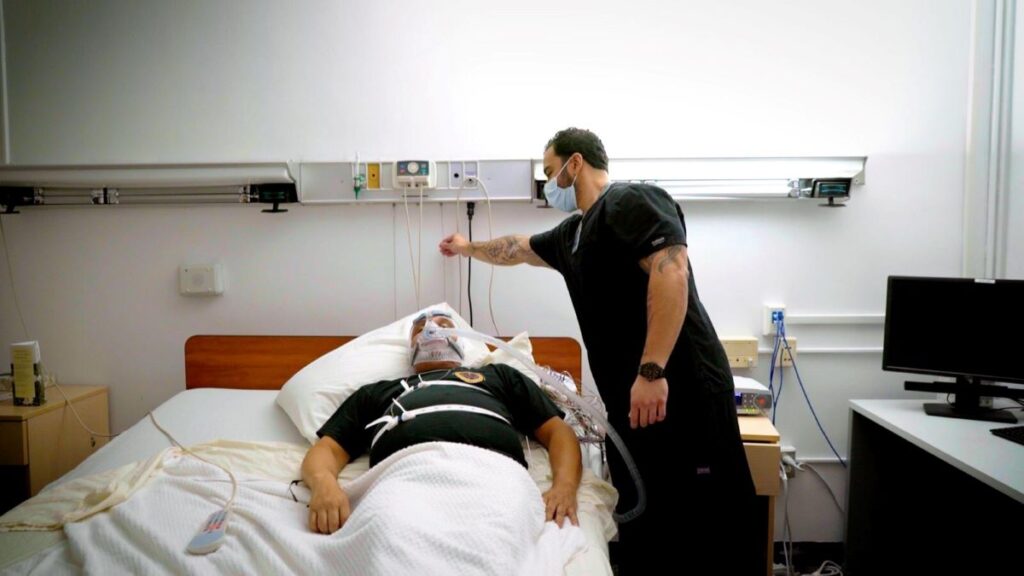
Hospital-based polysomnography serves patients with complex or unclear presentations. These overnight studies provide the most comprehensive diagnostic picture available, with technicians monitoring real-time data throughout the night. The controlled environment allows for immediate intervention if safety concerns arise and enables detailed observation of sleep architecture across multiple cycles.

Choosing Between Home and Hospital Testing

The choice between home and hospital testing depends on symptom severity, medical history, and the suspected condition. Simple cases of suspected obstructive sleep apnea often qualify for home testing, while patients with comorbid conditions, unusual symptoms, or previous inconclusive results benefit from the enhanced monitoring capabilities of laboratory polysomnography. Both approaches generate detailed physiological data that clinicians analyze to identify specific sleep disorders and their severity.

In-home sleep testing eliminates the need for hospital visits, allowing patients to sleep in their own beds while sophisticated sensors collect diagnostic data. This non-invasive sleep study approach has transformed how Melbourne residents access sleep disorder diagnosis, removing the anxiety and disruption associated with unfamiliar clinical environments.

The technology relies on carefully calibrated sensors that patients attach themselves before bedtime. Oximetry clips monitor oxygen saturation levels throughout the night, detecting critical drops that signal breathing interruptions. Chest and abdominal bands measure respiratory effort, while nasal airflow sensors track breathing patterns with precision.

Brain activity monitoring through EEG electrodes captures sleep stages and arousal patterns without causing discomfort. EMG sensors placed on the chin and legs record muscle movements, identifying conditions like periodic limb movement disorder or REM sleep behavior disorder. Electrooculogram sensors near the eyes track rapid eye movements, essential for distinguishing between sleep stages and diagnosing specific disorders.

Patient comfort drives adoption rates across Melbourne. Sleeping in familiar surroundings produces more representative data than a single night in a clinical setting. Many patients report better sleep quality at home despite wearing monitoring equipment, leading to more accurate diagnostic results.

The real-world data collection advantage cannot be overstated. Home testing captures natural sleep patterns influenced by typical bedroom conditions—temperature, noise levels, partner presence, and usual bedtime routines. This authentic environmental context helps clinicians understand how sleep disorders manifest in patients’ daily lives, enabling more targeted treatment recommendations.

Cost-effectiveness and accessibility make in-home testing the preferred first-line diagnostic tool for suspected sleep apnea and related conditions throughout Melbourne’s healthcare system.

What Role Do Hospital-Based Sleep Studies Play in Diagnosing Complex Sleep Disorders?

Overnight polysomnography in specialized sleep labs becomes essential when home testing results prove inconclusive or symptoms suggest complicated sleep disorders. These hospital-based studies capture a complete picture of sleep physiology that home devices cannot always provide.

Comprehensive monitoring in clinical settings tracks multiple physiological systems simultaneously:

  • Brain wave patterns through advanced EEG technology reveal sleep stage transitions and neurological disruptions
  • Cardiac rhythms detect irregular heart patterns that may indicate serious cardiovascular complications
  • Respiratory effort measurements distinguish between central and obstructive apnea types
  • Limb movements identify periodic leg movements or REM sleep behavior disorders

Specialized sleep labs employ trained technologists who observe patients throughout the night, adjusting equipment and noting behaviors that automated systems might miss. This human element proves invaluable when diagnosing conditions like narcolepsy, parasomnias, or treatment-resistant insomnia.

Hospital studies work alongside home testing rather than replacing it. Patients typically start with convenient home assessments, then progress to laboratory polysomnography when initial results raise questions or symptoms persist despite treatment. This tiered approach ensures Melbourne residents receive appropriate diagnostic intensity while maintaining healthcare efficiency and cost-effectiveness for straightforward cases.

Sleep Testing Melbourne

Which Portable Devices Support Ongoing Sleep Disorder Treatment?

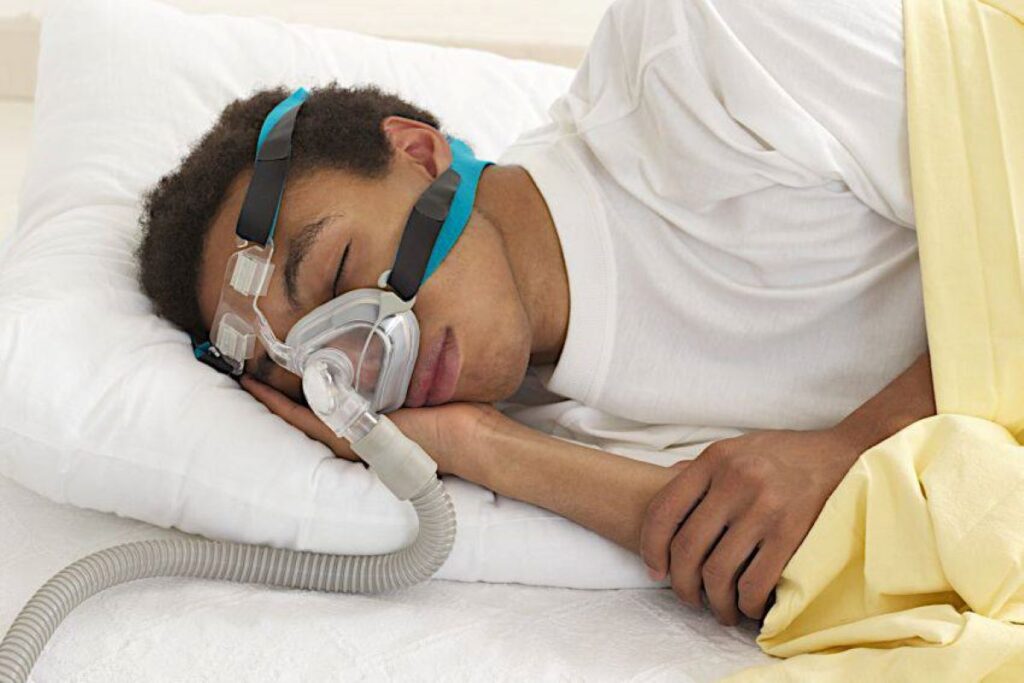
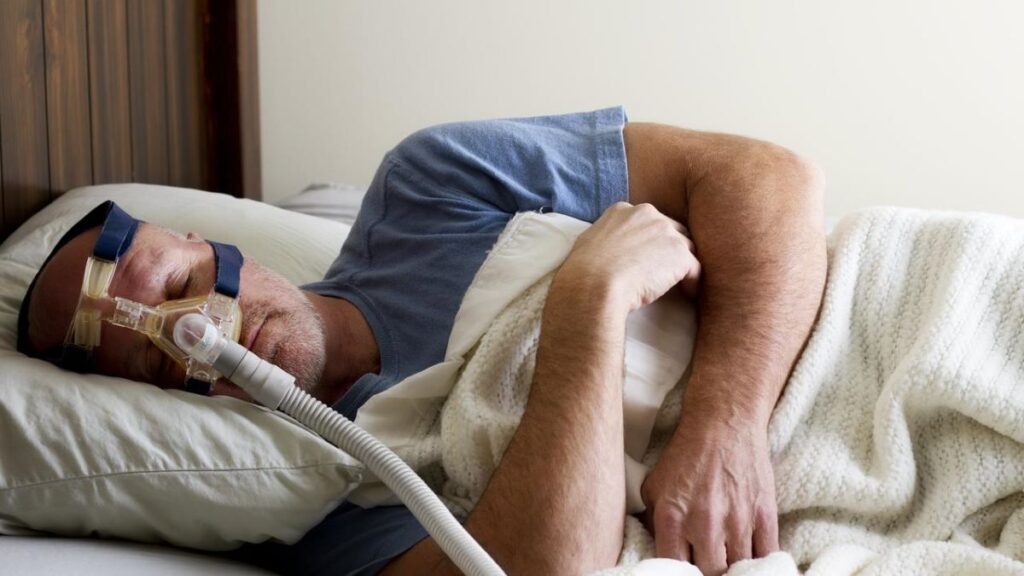
CPAP machines are still the best option for treating obstructive sleep apnea. These devices deliver continuous pressurized air through a mask, keeping airways open throughout the night and preventing the repeated breathing interruptions that characterize OSA. Modern CPAP units are compact, whisper-quiet, and equipped with humidifiers to enhance comfort during extended use.

The technology tracks usage patterns and treatment efficacy, allowing clinicians to adjust pressure settings remotely. Patients typically notice immediate improvements in daytime alertness and energy levels once therapy begins.

Mandibular advancement splints offer an alternative solution for individuals with snoring or mild to moderate sleep apnea. These custom-fitted mouthguard-style devices work by gently repositioning the lower jaw forward during sleep, which increases the space in the airway and reduces tissue vibration.

Portable treatment devices provide several distinct advantages:

  • Compact design makes them ideal for travel and business trips
  • Silent operation eliminates noise concerns for bed partners
  • Non-invasive approach appeals to patients who find masks uncomfortable
  • Custom fitting ensures optimal positioning and effectiveness

Dental sleep medicine specialists create these appliances using precise measurements and impressions. Regular follow-up appointments allow for adjustments that maximize therapeutic benefits while maintaining jaw comfort. Many Melbourne residents prefer these devices for their discretion and ease of use compared to traditional CPAP therapy.

How Does a Multidisciplinary Approach Enhance Sleep Disorder Care in Melbourne?

Multidisciplinary sleep clinics Melbourne facilities bring together specialized professionals who address sleep disorders from multiple angles simultaneously. A single sleep physician cannot tackle the psychological, respiratory, and lifestyle factors that often contribute to poor sleep quality.

Modern clinics like SleepDoctors Melbourne assemble teams that typically include:

  • Sleep psychologists who specialize in behavioral interventions
  • Respiratory specialists trained in airway management
  • Medical scientists who analyze complex sleep study data
  • Sleep physicians who coordinate treatment strategies

Cognitive behavioral therapy for insomnia (CBT-I) forms a cornerstone of psychological intervention at these facilities. This evidence-based therapy helps patients identify and modify thoughts and behaviors that interfere with sleep. Sleep psychologists deliver CBT-I alongside mindfulness techniques, teaching patients to manage anxiety and racing thoughts that prevent restful sleep.

The integration happens through personalized treatment plans built from detailed sleep study results. A patient’s test data might reveal both physical airway obstruction and anxiety-driven insomnia. The respiratory specialist addresses the physical component with CPAP therapy or oral appliances, while the psychologist implements CBT-I to resolve behavioral patterns.

Medication management adds another layer when appropriate. Sleep physicians prescribe targeted medications based on specific sleep architecture disruptions identified in testing, avoiding the one-size-fits-all approach that often fails patients.

This collaborative model ensures that treatment addresses root causes rather than symptoms alone. Team members review cases together, adjusting interventions as new data emerges from follow-up testing. Patients benefit from coordinated care that considers their complete sleep health picture, leading to more sustainable improvements in sleep quality and daytime functioning.

How Is Advanced Data Analysis Used to Differentiate Between Snoring and Serious Conditions Like OSA?

Clinical data interpretation transforms raw sleep study measurements into actionable medical insights. Experienced clinicians at Melbourne sleep centers analyze complex datasets that include breathing patterns, heart rhythms, and brain activity to distinguish harmless snoring from life-threatening conditions.

The Role of Oxygen Desaturation Analysis

Oxygen desaturation analysis serves as a critical diagnostic marker in this process. When oxygen levels drop repeatedly during sleep—often falling below 90% saturation—it signals that the brain and muscles are experiencing significant stress. These desaturation events occur when airways collapse during sleep, forcing the body into micro-arousals that fragment rest quality.

Understanding the Health Risks of OSA

The health risks of OSA extend far beyond daytime fatigue. Untreated obstructive sleep apnea creates a cascade of physiological problems:

  • Cardiovascular complications including hypertension, irregular heart rhythms, and increased stroke risk
  • Mental health deterioration with higher rates of depression and anxiety
  • Gastroesophageal reflux disease (GERD) exacerbation
  • Metabolic dysfunction affecting blood sugar regulation

The Role of Skilled Sleep Specialists

Skilled sleep specialists examine the frequency and duration of these oxygen drops alongside other physiological markers. A patient experiencing 15 or more desaturation events per hour meets diagnostic criteria for moderate OSA, requiring immediate intervention. This precision in The Technology Behind Modern Sleep Testing Melbourne Residents Now Rely On ensures appropriate treatment pathways are selected based on severity levels rather than symptoms alone. Click here to get 2025 guide to finding a bulk-bill sleep study Hobart patients can rely on.

What Technologies Are Used to Monitor Treatment Effectiveness Over Time?

Actigraphy devices provide objective evaluation methods that track patient progress long after initial diagnosis. These wrist-worn sensors continuously record movement patterns during sleep, creating detailed data sets that reveal whether CPAP therapy, oral appliances, or behavioral interventions are delivering expected results.

The technology works by detecting micro-movements throughout the night. When treatments succeed, patients experience fewer sleep disruptions, reflected in more stable movement patterns. The devices distinguish between restful sleep and periods of fragmentation that indicate ongoing problems requiring intervention adjustments.

Treatment monitoring technology has transformed follow-up care from subjective patient reports to data-driven assessments. Melbourne sleep specialists now receive weeks or months of objective sleep-wake data, allowing them to identify subtle patterns invisible during single-night studies. This extended monitoring captures night-to-night variability that influences treatment decisions.

The continuous nature of actigraphy monitoring proves particularly valuable for:

  • Detecting treatment compliance issues – devices reveal whether patients consistently use prescribed therapies
  • Identifying effectiveness plateaus – data shows when initial improvements stall, signaling the need for protocol modifications
  • Measuring response to therapy adjustments – clinicians compare pre- and post-adjustment data to validate changes
  • Tracking seasonal or lifestyle impacts – long-term monitoring reveals how external factors affect sleep quality

Sleep clinics integrate actigraphy data with periodic symptom assessments and device download information from CPAP machines. This multi-source approach creates comprehensive treatment profiles, enabling specialists to fine-tune interventions based on real-world performance rather than laboratory conditions alone. The technology shifts sleep disorder management from reactive problem-solving to proactive optimization.

Sleep Testing Melbourne

What’s Next for Sleep Testing Technology in Melbourne?

The future of sleep testing Melbourne residents can expect centers on artificial intelligence integration and miniaturized sensors that deliver even more precise diagnostics. Machine learning algorithms are already being developed to detect subtle breathing pattern changes that human analysis might miss, enabling earlier intervention for conditions like OSA.

Wearable technology continues evolving beyond basic actigraphy. Next-generation devices will combine continuous blood oxygen monitoring, heart rate variability analysis, and sleep stage detection in single, unobtrusive units. These advancements mean patients receive real-time feedback about their sleep quality without visiting clinics repeatedly.

Telemedicine platforms are transforming how Melbourne sleep specialists interpret data and adjust treatments remotely. Patients upload their overnight readings directly to cloud-based systems where clinicians review results within hours rather than weeks. This rapid response cycle accelerates the path to improving quality of life through technology.

The Technology Behind Modern Sleep Testing Melbourne Residents Now Rely On will increasingly focus on predictive analytics—identifying sleep disorder risks before symptoms become severe, shifting from reactive treatment to proactive prevention.

Bulk-Bill Sleep Study Hobart

Your 2025 Guide to Finding a Bulk-Bill Sleep Study Hobart Patients Can Rely On

What Are Bulk-Bill Sleep Studies and How Can They Help Patients in Hobart?

A bulk-bill sleep study is a diagnostic test fully covered by Medicare, meaning eligible patients pay A Bulk-Bill Sleep Study Hobart allows eligible patients to undergo comprehensive overnight testing with nothing out-of-pocket for the assessment. These studies monitor your breathing, oxygen levels, heart rate, and sleep patterns throughout the night to identify sleep-related disorders.

Sleep specialists use these studies to diagnose several conditions:

  • Sleep apnoea – repeated breathing interruptions during sleep
  • Insomnia – chronic difficulty falling or staying asleep
  • Restless leg syndrome – uncomfortable sensations causing leg movement
  • Narcolepsy – excessive daytime sleepiness and sudden sleep attacks

Patients who experience persistent symptoms benefit most from these studies. You might need testing if you regularly snore loudly, wake up gasping for air, feel exhausted despite sleeping, or notice morning headaches. People with high blood pressure, diabetes, or heart conditions should also consider screening, as untreated sleep disorders worsen these health issues.

Medicare eligibility requires a referral from your GP or specialist. Your doctor assesses your symptoms and medical history before determining if a Bulk-Bill Sleep Study Hobart is appropriate. The referral ensures the test meets Medicare’s criteria, allowing you to access this valuable diagnostic service without financial barriers.

Where Can Patients Access Bulk-Bill Sleep Studies in Hobart?

Hobart bulk-bill providers offer multiple convenient locations across the city and surrounding areas for patients needing sleep diagnostics. Air Liquide Healthcare Moonah provides comprehensive sleep testing services in the northern suburbs, making it accessible for patients in that region. Manse Medical Clinic Battery Point offers specialized respiratory and sleep medicine services with their team of experienced specialists, while Hobart Sleep Solutions operates facilities throughout the greater Hobart area.

Patients can choose between two primary testing formats depending on their specific needs and the severity of their suspected sleep disorder:

1. In-Lab Sleep Studies

  • Conducted overnight at a dedicated sleep clinic facility
  • Involve comprehensive monitoring with multiple sensors tracking brain waves, breathing patterns, oxygen levels, and body movements
  • Best suited for complex cases or when detailed diagnostic data is required
  • Supervised by trained sleep technicians throughout the night

2. At-Home Sleep Testing

  • Portable monitoring equipment used in the comfort of your own bedroom
  • Simpler setup focusing primarily on breathing and oxygen saturation
  • Ideal for straightforward sleep apnoea diagnosis
  • Equipment pickup and return arranged through the provider

Both testing options are available through bulk-billing for eligible Medicare patients, with referrals from general practitioners required to access these services. Check out more about the technology behind modern sleep testing Melbourne residents now rely on.

What Is the Process of Undergoing a Bulk-Billed Sleep Study and What Can Patients Expect?

In-Lab Sleep Study Process

The in-lab sleep study process begins with an evening appointment at a sleep clinic, where technicians attach sensors to monitor brain activity, breathing patterns, oxygen levels, and body movements throughout the night. Patients sleep in a private room designed to feel comfortable and home-like, while equipment records data continuously. The session typically runs from evening until morning, allowing specialists to capture a complete sleep cycle.

Home Sleep Test Procedure

The home sleep test procedure offers a simpler alternative where patients collect a portable monitoring device from their provider or receive it by mail. After receiving brief training on device placement, patients wear the equipment at home for one or more nights, recording breathing, oxygen saturation, and heart rate. The device is then returned for data analysis.

Data Analysis by Specialists

Respiratory and sleep medicine specialists review all collected data to identify sleep disorders and breathing abnormalities. These experts analyse:

  • Sleep architecture and disruption patterns
  • Oxygen desaturation events
  • Apnoea and hypopnoea episodes per hour
  • Heart rate variability during sleep

Receiving Results and Follow-Up Consultations

Results typically arrive within one to two weeks, accompanied by a detailed report and treatment recommendations. Specialists may schedule follow-up consultations to discuss findings and develop personalized management plans based on the severity of any diagnosed conditions.

Bulk-Bill Sleep Study Hobart

Why Is Testing for Sleep Apnoea Important and How Can Patients Get Tested Through Bulk-Billing?

Sleep apnoea causes breathing to repeatedly stop and start during sleep, reducing oxygen levels and disrupting rest. This condition affects cardiovascular health, increases stroke risk, and contributes to daytime fatigue, poor concentration, and mood changes.

Common sleep apnoea symptoms include:

  • Loud snoring with gasping or choking sounds
  • Morning headaches and dry mouth
  • Excessive daytime sleepiness
  • Difficulty concentrating or memory problems
  • Irritability and mood swings

The effects of untreated sleep apnoea extend beyond poor sleep quality. Patients face elevated risks of high blood pressure, heart disease, type 2 diabetes, and workplace or driving accidents due to fatigue. Early diagnosis through professional testing allows for timely intervention with treatments like CPAP therapy.

Bulk-billing removes the financial obstacle that prevents many Hobart patients from seeking diagnosis. Medicare covers eligible sleep studies completely when providers bulk-bill, meaning patients pay nothing out-of-pocket for testing. This accessibility ensures anyone experiencing symptoms can pursue proper diagnosis regardless of their financial situation. Hobart providers offering bulk-billed testing make it straightforward for patients to obtain their GP referral and book their study without worrying about costs, creating a direct pathway from symptoms to treatment.

How Can Patients Determine If They Need a Bulk-Bill Sleep Study?

Do you suspect a sleep disorder but aren’t sure if you need formal testing? Free sleep assessments Hobart providers offer can help you make that decision without financial commitment. North Hobart Pharmacy assessment services provide preliminary evaluations that screen for common sleep disorder symptoms before recommending a full diagnostic study.

These complimentary consultations typically involve:

  1. Discussing your sleep patterns and daytime symptoms
  2. Reviewing risk factors like snoring, witnessed breathing pauses, or excessive tiredness
  3. Completing validated screening questionnaires
  4. Receiving professional guidance on whether a bulk-billed sleep study is warranted

The screening process takes approximately 15-20 minutes and helps identify patients who would genuinely benefit from comprehensive testing, ensuring diagnostic resources reach those who need them most.

What Are the Advantages of Choosing Bulk-Bill Sleep Studies in Hobart?

Affordable sleep diagnostics Hobart offers through bulk-billing eliminate all out-of-pocket expenses for eligible patients. Medicare covers the full cost of diagnostic testing, removing the typical $200-$800 price barrier that prevents many people from seeking help.

Medicare-funded tests benefits extend beyond immediate savings. Patients receive the same comprehensive diagnostic equipment and specialist interpretation as private-pay options. The bulk-billing model ensures equal access to accurate sleep disorder diagnosis regardless of financial circumstances.

Hobart residents can redirect money they would have spent on testing toward treatment equipment like CPAP machines or lifestyle modifications. This financial accessibility means patients can address sleep disorders earlier, preventing long-term health complications that cost significantly more to treat.

Bulk-Bill Sleep Study Hobart

Conclusion

Are you experiencing persistent snoring, daytime fatigue, or interrupted sleep patterns? These symptoms deserve professional attention through trusted bulk-bill sleep studies 2025 providers are offering across Hobart.

Taking action starts with a simple assessment. Many Hobart clinics provide free preliminary evaluations to determine whether you need a full diagnostic study. This initial step costs nothing and could reveal underlying conditions affecting your health, productivity, and quality of life.

The accessibility of bulk-billed sleep testing means financial concerns shouldn’t prevent you from seeking answers. Eligible Medicare patients can access comprehensive diagnostic services without out-of-pocket expenses, removing a significant barrier to healthcare.

Consider reaching out to providers like:

  • Hobart Sleep Solutions for both in-lab and at-home testing options
  • North Hobart Pharmacy for free sleep assessments
  • Manse Medical Clinic for home-based bulk-billed studies
  • Air Liquide Healthcare in Moonah for convenient location access

Your 2025 Guide to Finding a Bulk-Bill Sleep Study Hobart Patients Can Rely On emphasizes one crucial message: early diagnosis leads to better outcomes. Sleep disorders like sleep apnoea don’t improve on their own. They worsen over time, increasing risks for cardiovascular disease, diabetes, and other serious conditions.

Contact a local provider today to schedule your assessment. Quality sleep isn’t a luxury—it’s essential for your health and wellbeing.

Sleep Tests

Why a Sleep Test Could Be the Key to Better Rest

Introduction

Many Australians struggle with sleep without fully understanding why. Persistent fatigue, snoring, or difficulty staying asleep can signal an underlying sleep disorder. A sleep test offers clarity, providing detailed insights into your sleep patterns and helping guide effective treatment. Modern sleep testing technology has made the process more comfortable, accurate, and accessible, making it a key tool for improving sleep quality and overall wellbeing.


What is a Sleep Test?

A sleep test, also called a sleep study, monitors your body’s physiological activity while you sleep. It helps diagnose sleep disorders such as:

  • Obstructive sleep apnoea
  • Insomnia
  • Narcolepsy
  • Restless leg syndrome

Typical measurements include brain activity (EEG), eye movements, heart rate, breathing patterns, oxygen levels, and muscle activity. These tests allow specialists to identify disruptions in sleep cycles and recommend personalised treatment.


Preparing for Your First Sleep Study

Preparation can improve both comfort and accuracy:

  • Maintain a regular sleep schedule for several days before the test
  • Avoid caffeine, alcohol, and sedatives on the day of the study
  • Bring personal comfort items, such as pillows or blankets
  • Wear loose, comfortable clothing
  • Follow your doctor’s instructions regarding medications

Being prepared can help reduce anxiety and make your first sleep study a smoother experience.


In-Lab vs Home Sleep Studies

In-Lab Sleep Studies (Polysomnography)

  • Conducted overnight in a sleep clinic
  • Monitored by trained technicians
  • Measures multiple parameters simultaneously for comprehensive results
  • Ideal for complex or uncertain diagnoses

Home Sleep Tests

  • Conducted in the comfort of your own bed
  • Focus on breathing, oxygen saturation, and heart rate
  • Less invasive and convenient
  • Suitable for patients suspected of having sleep apnoea

Both types are reliable, with the choice depending on your symptoms and the recommendation of your sleep specialist.


What to Expect During the Night

In-Lab Study

  • Sensors and electrodes are attached to monitor brain waves, heart rate, and muscle activity
  • Nasal cannula and finger sensor track breathing and oxygen levels
  • Sleep technicians supervise the process and assist with any discomfort

Home Study

  • Simple, wearable devices monitor key sleep parameters
  • Conducted in your usual sleep environment for a more natural night’s rest
  • Instructions and guidance are provided by your clinic

Despite the monitoring equipment, most patients sleep adequately, and any initial discomfort is usually minor.

Sleep Tests

How Sleep Test Results Are Used

Once the study is complete, a sleep specialist analyses the data to:

  • Diagnose specific sleep disorders
  • Recommend treatment plans, such as CPAP therapy, lifestyle adjustments, or medications
  • Track effectiveness of ongoing therapies

Accurate diagnosis can significantly improve sleep quality, daytime alertness, and overall health.


Benefits and Potential Discomforts

Benefits

  • Personalised treatment for sleep disorders
  • Improved sleep quality and daytime energy
  • Reduced risk of health complications like high blood pressure and heart disease
  • Peace of mind from understanding your sleep patterns

Potential Discomforts

  • Mild skin irritation from electrodes
  • Minor nasal discomfort from breathing sensors
  • Slight sleep disruption due to monitoring equipment

Advancements in technology have made modern sleep tests more comfortable, accurate, and less intrusive than older methods.


Patient Experiences

First-time patients often report relief and improved understanding of their sleep issues:

  • “The sensors were less bothersome than I expected.”
  • “Sleeping at home with a monitoring device was surprisingly easy.”
  • “My sleep study helped my doctor create a plan that finally addressed my daytime fatigue.”

Hearing from other patients can reduce anxiety and highlight the benefits of undergoing a sleep study.


Conclusion

A sleep test could be the key to better rest and improved overall health. Whether conducted in a lab or at home, modern sleep studies are accurate, comfortable, and informative. Understanding what to expect, preparing properly, and knowing the benefits can make your first sleep test a reassuring and life-improving experience.

FAQs

1. Will a sleep test be uncomfortable?
Most patients experience only minor discomfort from sensors or nasal cannulas. Modern equipment is designed to be minimally intrusive, and sleep technicians provide support throughout the night. Most people are able to sleep adequately despite the monitoring devices.

2. How should I prepare for a sleep study?
Maintain a regular sleep schedule, avoid caffeine and alcohol on the day of the test, wear comfortable clothing, and bring personal comfort items. Following your doctor’s instructions ensures accurate results and a smoother experience.

3. How long does it take to get sleep test results?
Results are typically analysed within a few days to a week. You’ll receive a detailed report explaining sleep patterns, any detected disorders, and recommended treatment plans to improve sleep quality and overall health.

4. Can a sleep study improve daytime fatigue?
Yes. Sleep tests identify underlying disorders such as sleep apnoea or insomnia, allowing for personalised treatments. Correctly diagnosing and managing sleep issues can significantly improve daytime energy, focus, and overall wellbeing.

5. Do I need a doctor’s referral for a sleep test?
Yes. In Australia, a referral from a GP or sleep specialist is usually required. They will assess your symptoms and recommend whether an in-lab or home sleep study is most appropriate for your situation.

sleep Apnea

Can sleep apnea cause dementia?

Sleep apnea is a sleep disorder that can cause forgetfulness, trouble concentrating, and difficulty organizing and planning. Obstructive sleep apnea is the most common type, which happens when the muscles in the back of your throat relax more than they should, blocking air from entering your body. Sleep apnea can also cause daytime sleepiness. 

Sleep Apnea Solutions include Continuous Positive Airway Pressure (CPAP), a sleep specialist, or a sleep study. Severe, moderate, and mild sleep apnea are all possible, as is Obstructive Sleep Apnoea Syndrome (OSAS). People with sleep apnea should seek treatment to avoid long-term effects.

Sleep apnea interrupts breathing

Sleep apnea is a sleep disorder that causes people to stop and start breathing while they sleep. Severe sleep apnea can cause 30 or more breathing interruptions an hour. It can lead to high blood pressure, an irregular heart rhythm, strokes, and diabetes, as well as depression, anxiety, and other mental health issues. Obstructive sleep apnea is the most common type of sleep apnea. 

interrupts breathing

Sleep apnea is a disorder that can cause high blood pressure and nonalcoholic fatty liver disease. It happens when the upper airway is blocked and oxygen levels in the blood drop. Obstructive sleep apnea (OSA) is the most common type. Central sleep apnea (CSA) is less common. Treatment includes CPAP, oral appliances, lifestyle changes, and sleeping pills. Clinical sleep medicine specialists can help diagnose and treat sleep apnea. Losing weight and preventing sleep apnea can help reduce daytime fatigue. Bilevel Positive Airway Pressure (BiPAP) can also help improve how well you sleep.

Why is getting enough sleep so important?

Sleep is essential for brain health, and not getting enough sleep can result in dementia and lower pain tolerance. Sleep apnea, obstructive sleep apnea, central sleep apnea, and severe obstructive sleep apnea are all sleep disorders that can make it hard to get enough sleep. 

People with sleep apnea can benefit from treatment with continuous positive airway pressure (CPAP). A sleep specialist can diagnose and treat sleep disorders such as mild, moderate, and severe sleep apnea, as well as obstructive sleep apnea syndrome and daytime sleepiness. Treating sleep apnea with CPAP can help, and a sleep study may be necessary to determine the best course of action.

Can sleep apnea lead to dementia?

Sleep apnea is a sleep disorder where people stop breathing or have shallow breathing for short periods of time. It occurs when there is mild obstructive sleep, usually caused by the throat muscles relaxing. Loud snoring is a common symptom of sleep apnea. People with untreated sleep apnea may be at risk of developing dementia. 

sleep apnea

Positive airway pressure can help diagnose and treat sleep apnea, as well as other risk factors, such as high blood pressure and obesity. It is still unclear how untreated sleep apnea may cause dementia, though it is known that those with undiagnosed sleep apnea, or who do not receive treatment for it, may be at risk of developing sleep-disordered breathing or emergent central sleep apnea.

Can sleep apnea cause long-term memory loss?

Sleep Apnea occurs when people stop breathing while they sleep. Risk factors include loud snoring, high blood pressure, and being overweight. If left untreated, it can cause long-term memory loss. Diagnose Sleep Apnea by looking for risk factors and signs like snoring, falling asleep during the day, and fatigue. 

Treatment includes Positive Airway Pressure which involves air pressure to keep airways open. Most patients develop better sleep after 3 months of treatment. However, 10-15% of people with sleep apnea still have mild symptoms. Untreated Sleep Apnea can also lead to other sleep disorders like Obstructive Sleep and Treatment Emergent Central Sleep.

Treatment for sleep apnea

Sleep apnea is a disorder where people fall asleep and stop breathing, which affects how is sleep and can lead to decreased oxygen levels and high blood pressure. It can be mild or severe, caused by risk factors like obesity, loud snoring, and untreated sleep-disordered breathing. CPAP machines can help keep the airway open with bilevel-positive airway pressure but can be uncomfortable for patients. 

Treatment

Other treatments include oral appliances, sleeping pills, and devices that go under the skin. Diagnosing and treating obstructive sleep apnea (OSA) can reduce the risk factors, help prevent central sleep apnea (CSA), and improve the quality of sleep. Losing weight, avoiding alcohol, and quitting smoking can also help prevent sleep apnea, as well as treat chronic lung diseases and nonalcoholic fatty liver disease. Daytime fatigue and upper airway problems can also be alleviated by consulting with a clinical sleep medicine specialist.

How much does sleep apnea affect memory?

Sleep Apnea (OSA) can reduce oxygen levels, leading to memory problems. Healthy sleep is important for learning. Sleep Apnea can cause daytime fatigue, high blood pressure, and other chronic lung diseases. Oral appliances, sleeping pills, and losing weight can help prevent it. Central Sleep Apnea (CSA) and Nonalcoholic Fatty Liver Disease can also affect how we sleep. Bilevel Positive Airway Pressure and other treatments can help the upper airway stay open, reducing the chances of falling asleep.

Does loud snoring mean you have sleep apnea?

Snoring is a common sign of sleep apnea but can occur without it. It is caused by the collapse of throat muscles during sleep. Around 40% of habitual snorers will develop sleep apnea, but only 4% of those with sleep apnea will suffer long-term health problems such as metabolic syndrome, high blood pressure, or stroke. 

An oral appliance, other airway pressure devices, and weight loss can help reduce the risk. Restless sleep, trouble concentrating, and a narrowed airway can also be indicators of sleep apnea. Emergent central sleep apnea can be caused by the soft palate, upper airway muscles, and central apnea, leading to decreased breathing and oxygen levels, and can increase the risk of atrial fibrillation. Treatment with airway pressure devices and normal sleep can help. 

Sleep apnea is a sleep disorder. It can be obstructive, central, or mixed. In children, it can look like ADHD. Removing the tonsils can help clear the airway and reduce hyperactivity. Adults with moderate to severe obstructive sleep apnea need to use a CPAP machine or another device. A sleep specialist can treat sleep apnea. Sleep studies can help diagnose it and reduce daytime sleepiness.